2020–2025
SORA Wallet & Ecosystem
Self-custodial wallet, integrated DEX, neobanking card, and the design foundation for a new economic system
Context
I first encountered Soramitsu in late 2018, it was around that time when Soramitsu started turning its blockchain expertise toward an ambitious project: a decentralized economic system called SORA.
I joined as Head of Design and Brand in early 2020, at a time when the Polkadot ecosystem was widely seen as the next major evolution in blockchain infrastructure. Soramitsu had just launched the first version of SORA Wallet (on the Iroha 1 network) a few months earlier, but the company's product ambitions were about to scale dramatically. A new Substrate-based network, a cross-chain decentralized exchange (Polkaswap), and a multi-chain DeFi wallet (Fearless Wallet) were all on the roadmap simultaneously.
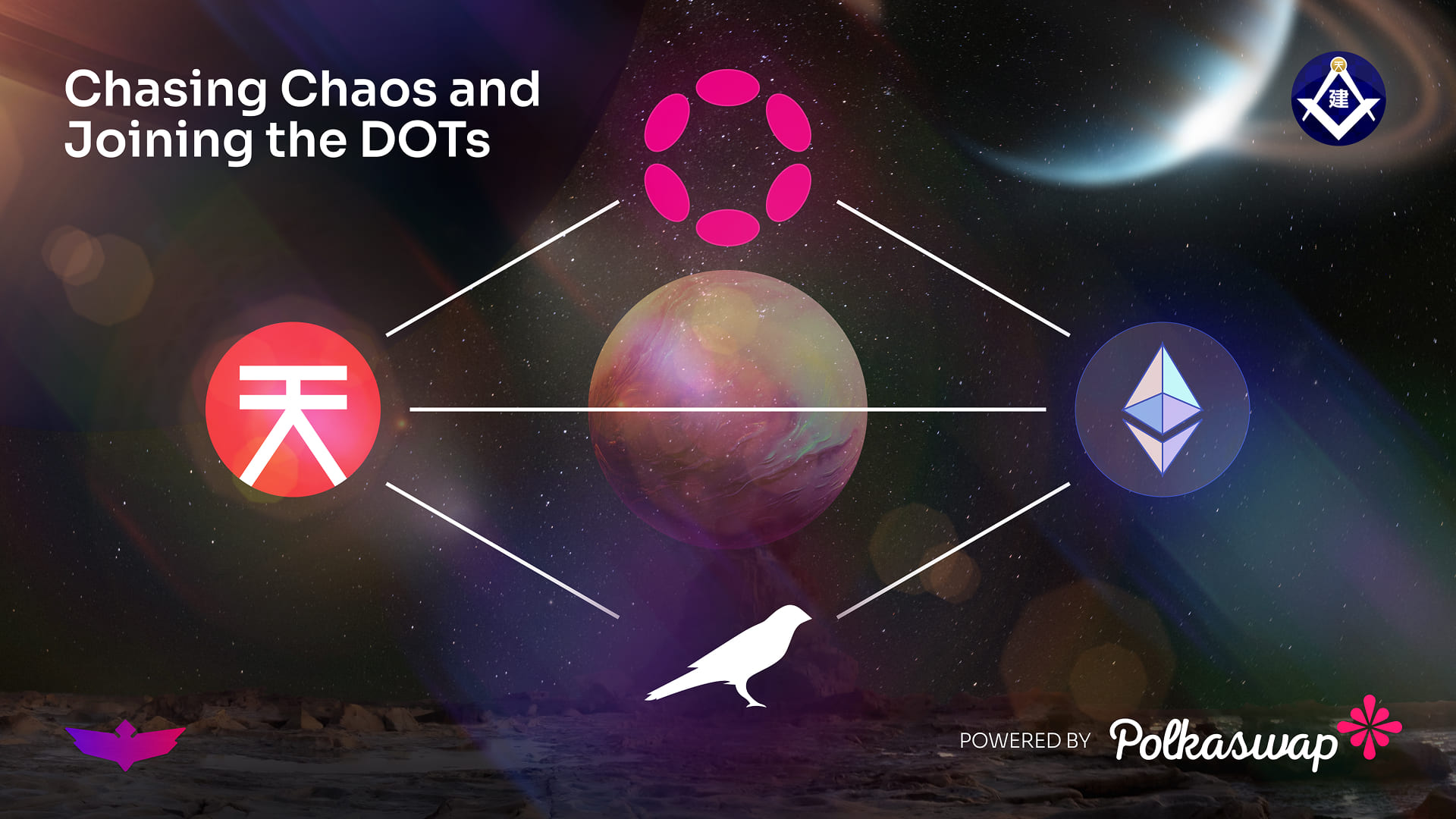
The Big Vision
SORA isn't just a blockchain network with a wallet and a DEX. It's an attempt to build a non-debt-based monetary system — a fundamentally different approach to how economies could work. The project draws on academic research by economists like Richard Werner and Yokei Yamaguchi, who have argued that the current debt-based monetary order is structurally unfair and that alternatives are both possible and necessary. Soramitsu's CEO, Dr. Makoto Takemiya, has a background in computer science and neuroinformatics research, with a PhD from the University of Tokyo and over 20 peer-reviewed papers. He started Soramitsu in 2016 with the conviction that blockchain technology could serve as the infrastructure for a more equitable economic system.
This wasn't abstract philosophy. SORA has its own tokenomics, a token bonding curve managing elastic supply, a stablecoin platform (Kensetsu), a governance system exploring multi-body sortition, and an expanding network of central bank partnerships. The same company building DeFi wallets is also deploying payment infrastructure for the National Bank of Cambodia, the Bank of the Lao PDR, the Bank of Papua New Guinea, the Central Bank of Solomon Islands, and most recently the State Bank of Pakistan, and more in the pipeline.
For me, this resonates deeply. Being born in Estonia back when it was part of the Soviet Union, I understand profoundly what it means to live under a system that feels deeply unfair. The idea that technology could help build something more fair isn't naive idealism — it is the reason I was drawn to work at Soramitsu.
The Challenge
Design three interconnected blockchain products, simultaneously, for an ecosystem that didn't fully exist yet. Each product had distinct user needs but shared a common design language, development team, and brand universe. The SORA Wallet needed to evolve from a basic token wallet into a full DeFi hub. Polkaswap had to make decentralized trading feel as intuitive as any centralized exchange. And all of it had to ship fast in a market where timing against Ethereum-based competitors was everything.
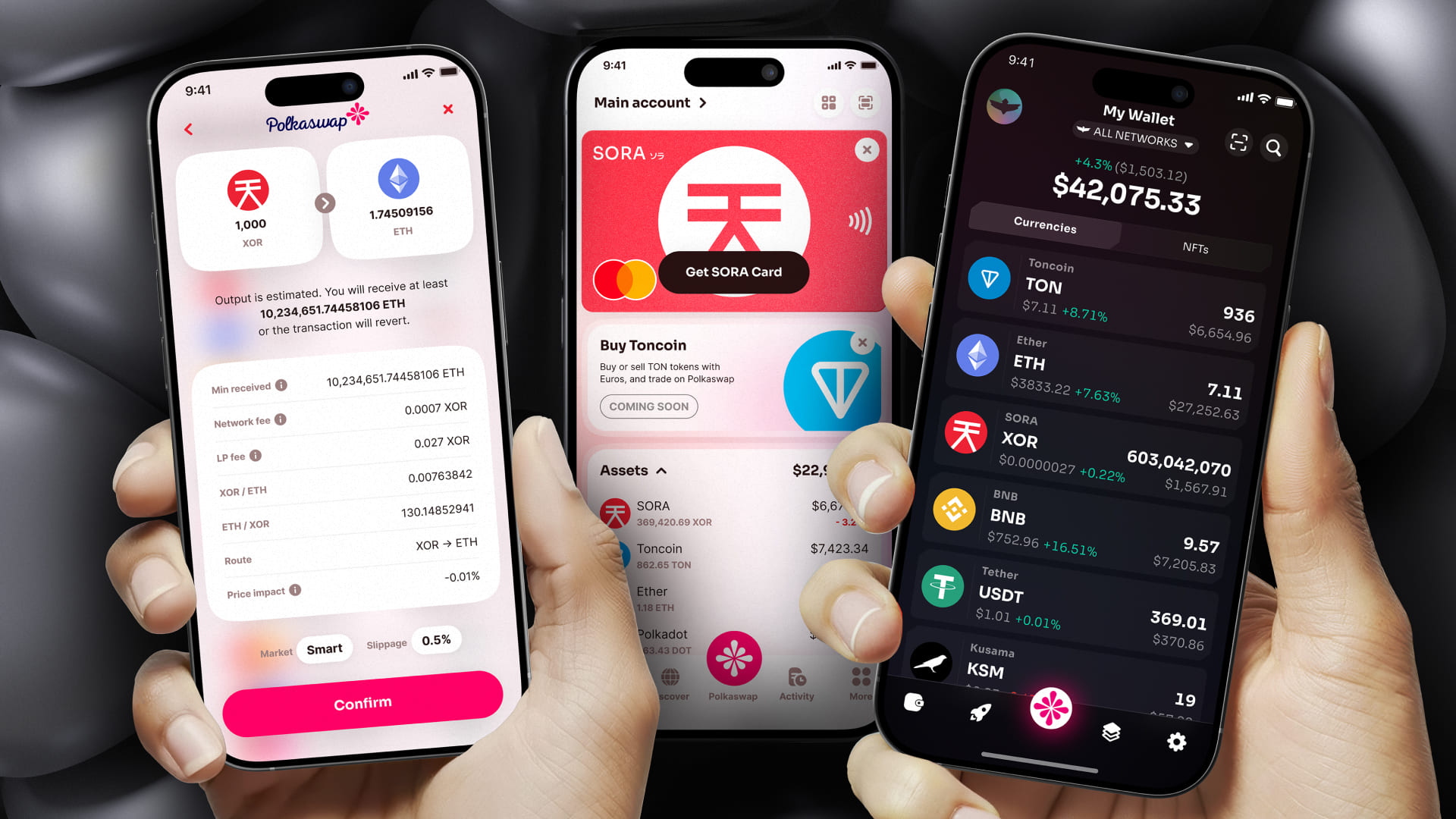
The deeper challenge was experiential: DeFi products were notoriously complex, ugly, and hostile to everyday users. We wanted to prove it didn't have to be that way. The CEO's vision was clear: the product should feel ultra-futuristic, ultra-clean, and unmistakably premium. Not like a finance app pretending to be modern. Actually modern.
Approach
I took strong ownership of design and brand across SORA Wallet, Polkaswap, and Fearless Wallet. This wasn't three separate projects with separate teams. It was one interconnected design challenge that required a unified approach to visual language, interaction patterns, and information architecture across mobile and web.
When the SORA network migrated from Iroha 1 to Substrate in April 2021, the wallet needed to be fundamentally rethought, not just reskinned. The v2 launch wasn't a version bump; it was a new product built on new infrastructure with new capabilities. I led the design of the new SORA Wallet around the v2 launch, managing two product designers alongside the CEO and product owner.
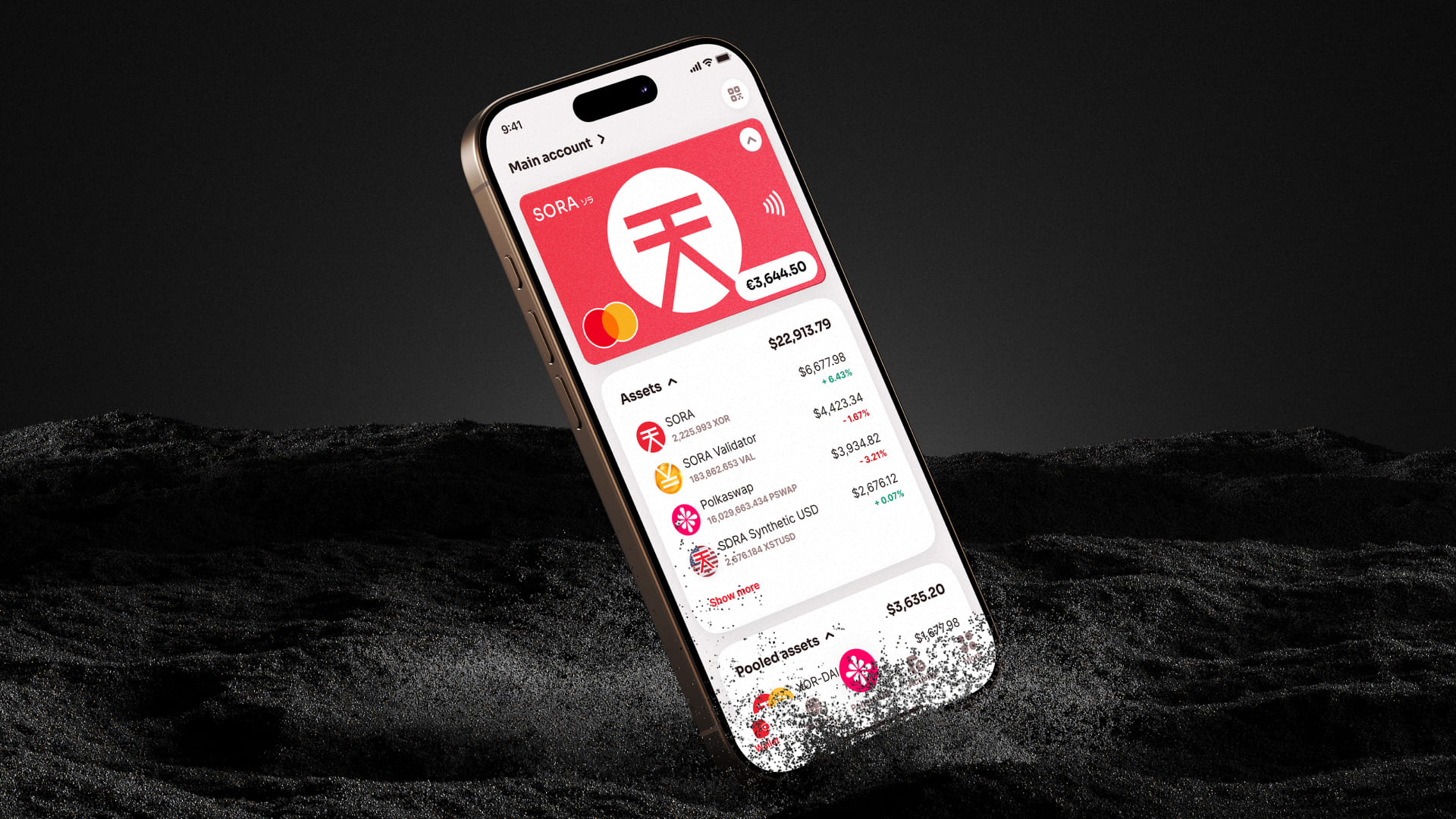
Shortly after the v2 launch, I began a comprehensive UI and UX overhaul. The CEO's vision called for a neumorphic visual direction (soft, dimensional, light-driven) that would set the wallet apart from every other crypto app on the market. It made sense: we were trying to make a big impact both functionally and aesthetically. The goal was a wallet that felt effortless, high-class, and unmistakably distinct.
Across five years, we built and evolved a comprehensive mobile design system that served as the backbone for SORA Wallet and fed into the company's broader multi-brand, multi-platform design system. This included component libraries, spacing and typography scales, color token systems, interaction patterns, and documentation. The design system enabled consistent output across a growing team and multiple product lines.
Key Design Decisions
While most crypto wallets defaulted to dark, dense, trader-oriented interfaces, we went the opposite direction. The neumorphic style (soft shadows, subtle depth, muted gradients) gave SORA Wallet a distinctive visual identity that users consistently praised. It felt premium without being decorative. Clean without being sterile. The style went through multiple facelifts over the years, keeping the aesthetic fresh while the underlying design system matured.
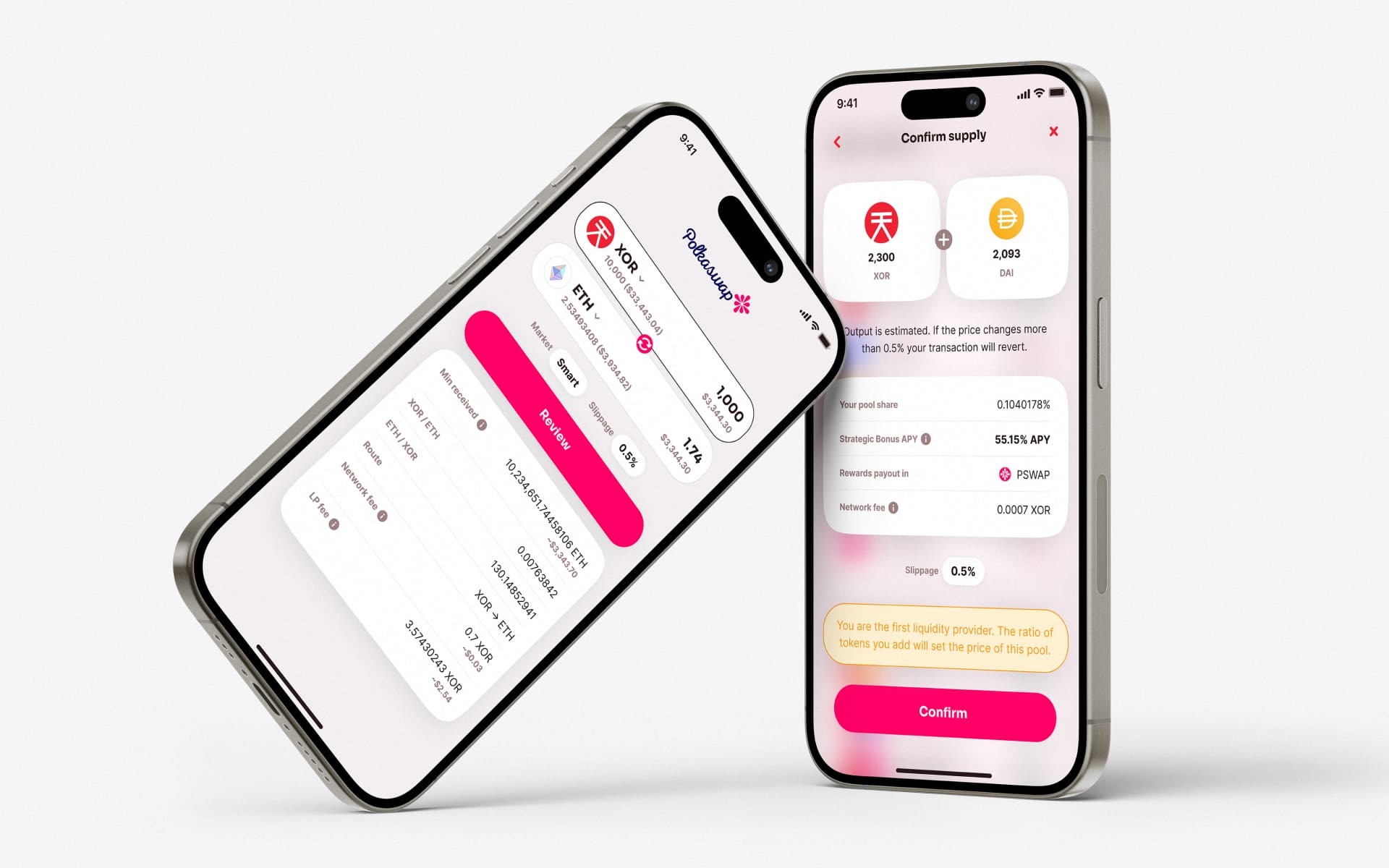
One of the most impactful features was deeply integrating Polkaswap, a full cross-chain decentralized exchange, directly into the SORA Wallet mobile experience. It was native, seamless, and fast. Users could swap between 100+ tokens, provide liquidity, and farm yields without ever leaving the wallet. I used it myself plenty, swapping tokens on the go, and it worked beautifully.
Making complex DeFi feel simple
The SORA ecosystem runs on sophisticated economic mechanisms (token bonding curve managing XOR supply, multiple reward types across liquidity pools, strategic farming via Demeter, cross-chain bridges to Ethereum and other chains), but the interface never asked users to understand any of that to get things done. Progressive disclosure, clear labeling, and careful UX writing kept complexity out of the way until users needed it.
SORA Card: DeFi meets neobanking
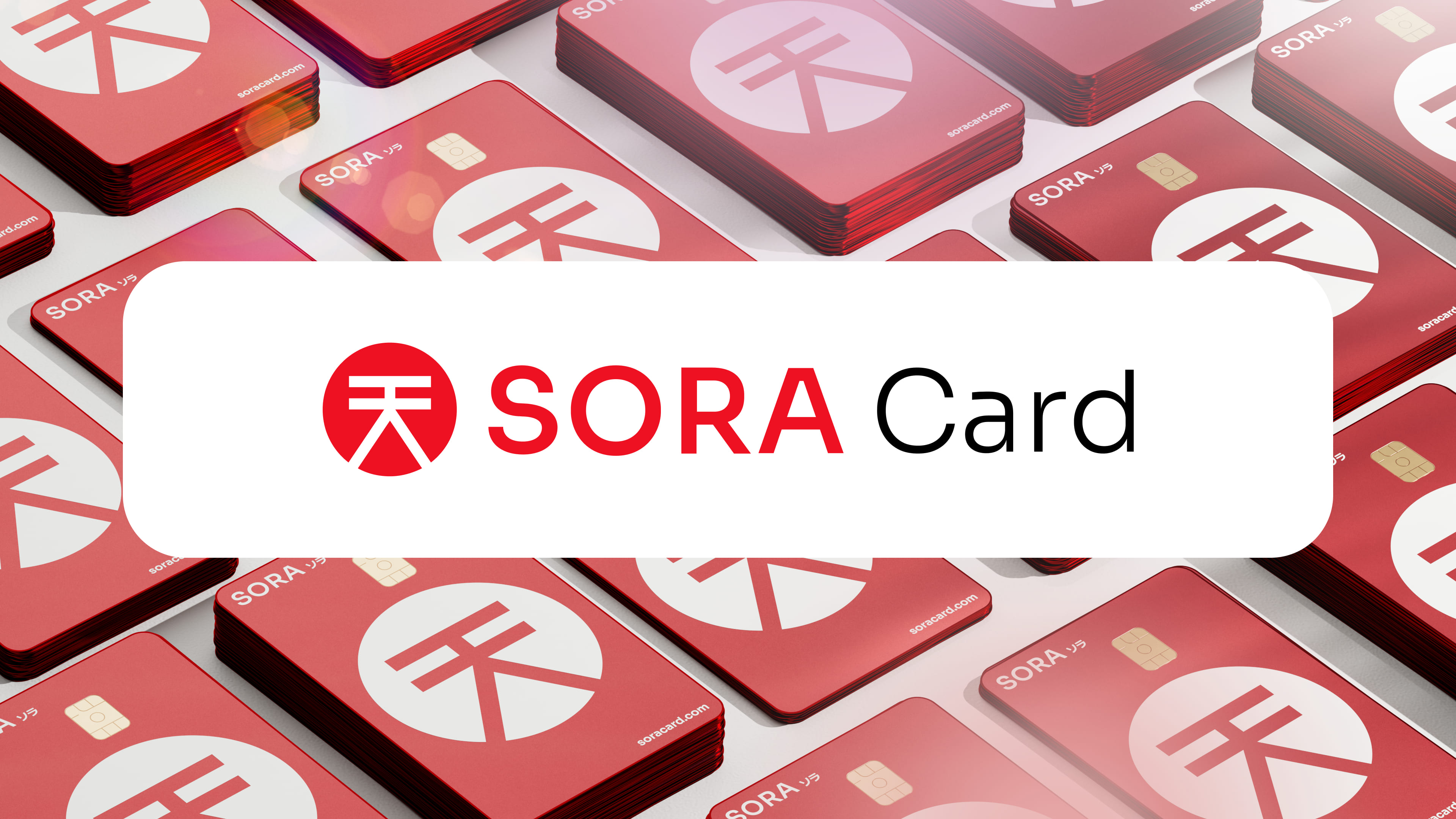
In 2023, we launched SORA Card — a Mastercard-powered debit card with European IBAN and SEPA transfers, integrated into the self-custodial SORA Wallet. This was a genuinely novel product: a non-custodial DeFi wallet with a built-in decentralized exchange AND traditional banking rails, all in the palm of your hand. No other product on the market combined these three things. The design challenge was bridging two fundamentally different mental models, crypto self-custody and traditional banking, into one coherent experience without compromising either.
SORA Card was eventually integrated into Polkaswap and Fearless Wallet along with SORA Wallet.
Responsive logo system
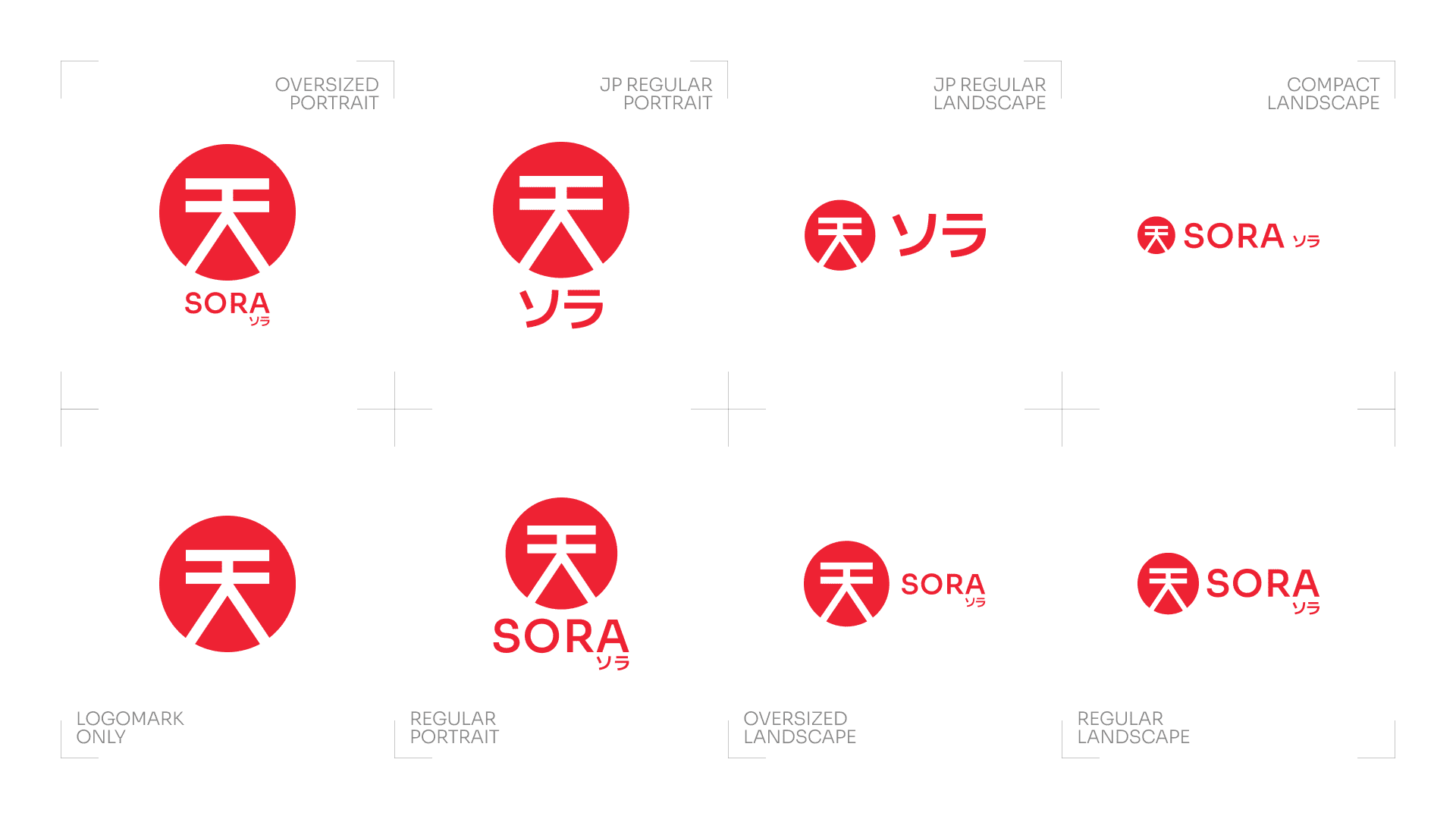
The original SORA logo and brand identity were created before I joined. While the core mark was strong, it was essentially unusable at small sizes. I designed a comprehensive responsive scaling system with 8+ logo variants: compact and oversized, regular, horizontal and vertical orientations, each optimized for specific size thresholds and contexts.
The Sora Typeface
In 2019, Soramitsu commissioned Jonathan Barnbrook — the designer behind David Bowie's album artwork and one of the most respected typographers working today — to create the Sora typeface. When I joined in early 2020, one of my first projects was getting Sora published as an open-source font on Google Fonts.
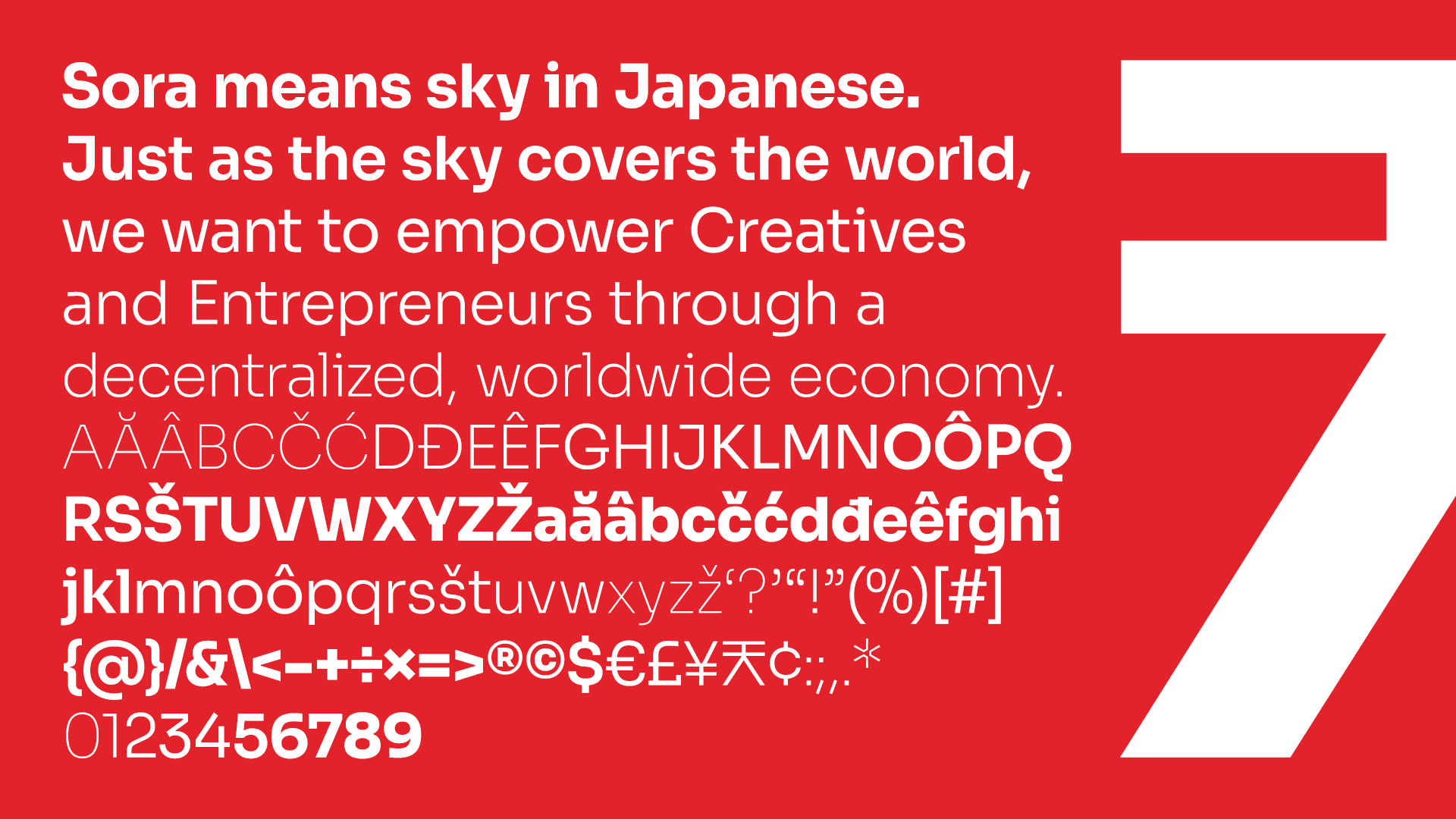
This required sustained negotiation. Barnbrook had designed the typeface for what he understood to be internal corporate use, and was initially resistant to open-sourcing it. After extended correspondence, he acknowledged that we had full rights to the work. I coordinated the technical submission process with Google Fonts, and Sora was published as a free, open-source font available to anyone.
It's since become one of the more widely used fonts on Google Fonts, used across thousands of websites worldwide. A small project, but one that reflects Soramitsu's open-source ethos — the same thinking that led Soramitsu to contribute Hyperledger Iroha to the Linux Foundation.
SORA Ecosystem
SORA Economic Forum
The SORA Economic Forum is an annual event bringing together economists, academics, blockchain technologists, and policymakers to discuss alternatives to the current monetary system. It ran in 2021, 2022, 2024, and 2025, featuring speakers like economist Richard Werner, governance researcher Terrill Bouricius, and CBDC researcher Johannes Duong from Austria's central bank.
I was deeply involved in producing these events (except in 2025): creating all visual materials (branding, social media campaigns, promotional videos), backstage-hosting the live webinars (managing video/audio transitions, speaker coordination, and live production), building the event websites, and producing the recordings for YouTube after the live event. The forums represent the ideological core of what SORA is trying to achieve, and producing them gave me a direct connection to the economic thinking driving the project.
SORA Brand, Website & Community
Beyond the wallet, I managed the broader SORA brand presence: the sora.org website, social media channels, YouTube content, and community-facing communications. This included creating and evolving visual content for the SORA YouTube channel, producing announcement graphics, campaign materials, infographics, presentations, and maintaining brand consistency across an ecosystem that included Polkaswap, SORA Wallet, SORA Card, Kensetsu, and the SORA Economic Forum — each with its own visual identity but sharing a common design DNA.
The Superwallet Framework
PROBLEM — Soramitsu operated two parallel wallet product lines: SORA Wallet and Fearless Wallet in the crypto/DeFi space, and a growing portfolio of CBDC and government wallets (Bakong, DLak, Bokolo Cash, Digital Kina, Palau Invest, Byacco). Each had its own development pipeline, but they were all solving similar problems — account management, asset display, transfers, transaction history, staking, buying bonds — with duplicated effort across every project.
SOLUTION — We created the Superwallet: a white-label wallet framework with a modular information architecture and a semantic, token-based design system. The core idea was to isolate every feature and flow as an independent module that could be toggled on or off, themed to any brand, and deployed across DeFi and CBDC contexts from a single design and engineering foundation.
We redesigned flows to comply with the new modular standards, building the semantic token architecture, and creating the theming framework that enabled rebranding from weeks to days. I set the strategic direction, approved key decisions, and ensured the system served the full portfolio.
The Superwallet framework roughly tripled development efficiency for new wallet products. CBDC wallets for new countries could be spun up from the shared foundation with brand-specific theming rather than ground-up builds. The design system unified patterns across DeFi and government contexts while respecting the different trust, compliance, and UX requirements of each.
Impact & Results
Reflections
SORA Wallet has not become mainstream. That's worth being honest about. The Polkadot ecosystem, which seemed poised to overtake Ethereum in 2020, developed more slowly than anticipated, and Ethereum's first-mover advantage proved formidable.
But the product we built was genuinely excellent. The interface was beautiful. The UX was fast, clear, and reliable. The Polkaswap integration was seamless. And the convergence of DeFi and neobanking is ahead of most of the market.
What I took away from five years on this project: Design quality alone doesn't guarantee product-market fit. Designing for complexity requires restraint, not simplification. Owning multiple products simultaneously forces systems thinking. And building in emerging ecosystems is a bet on timing.
The SORA network is now evolving toward new directions, including TON integration (Tonswap) and Hyperledger Iroha 3 (SORA Nexus), and the design foundation we built continues to serve as the basis for what comes next.